Embracing Process Improvement in Local Government

This article was initially published in PA Times on July 28th, 2025

In local government, there’s often discussion about doing more with less, building trust with the community and delivering services that are not only effective but also equitable. While these goals are familiar to anyone in public service, the path to achieving them can feel elusive, especially in times of constrained budgets, evolving expectations and increasing complexity. That’s where process improvement can help.

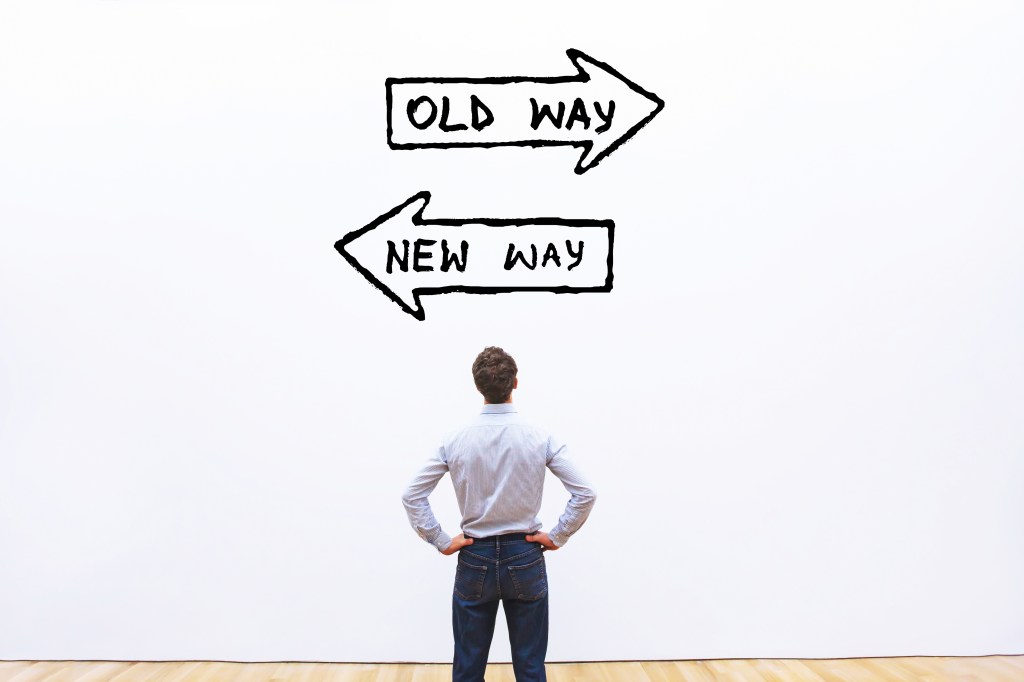
Processes evolve for specific reasons. They are usually created to address particular problems. However, as technology advances and priorities shift, the problems may also change. Process improvement offers a structured and focused approach to assess whether the current process is effective in today’s environment.

The COVID-19 pandemic underscored just how quickly and dramatically local governments can pivot when the stakes are high. Virtually overnight, local governments across the nation reimagined how services could be delivered from virtual inspections to online public meetings and more. In doing so, local governments demonstrated that meaningful change is possible even in environments that are traditionally cautious about risk. That experience also shifted how many leaders think about change. It was a reminder that flexibility, creativity and responsiveness are not luxuries in government; they are necessities.

However, process improvement is not something to dust off during a crisis or launch only when resources allow. It is a discipline that should be consistently applied because it helps organizations remain efficient, resilient and responsive to change. Since the mission of local governments is to serve the public, it is crucial for public administrators to continually assess whether work processes align with the needs of the communities they serve and whether those processes yield meaningful results.

The benefits of this work are both immediate and long-lasting. By identifying bottlenecks, eliminating redundancies and clarifying roles, public administrators can reduce frustration for both staff and community members. It also positions local governments to make better use of existing resources, whether it’s staff time, technology tools or public funds. Finally, it helps ensure that every resident, regardless of their background or neighborhood, can engage with the local government in a manner that’s clear, fair and effective.

In this moment, the need for process improvement is especially pressing. The landscape of public service is undergoing rapid change. Local governments are being asked to achieve quicker turnaround times, respond to more complex community needs and implement new technologies, often all at once. Additionally, funding sources for critical services and programs are being reduced or eliminated, forcing governments to reassess service levels and explore new ways to sustain these programs. Meeting these demands requires public administrators to think differently, be open to ideas that may have once seemed too ambitious and be more agile in testing and refining new approaches.

When public administrators take a critical look at work processes, they often uncover inefficiencies or blind spots that they hadn’t previously recognized. In some cases, outdated workflows persist simply because “that’s the way it has always been done.” Process improvement gives us permission and structure to challenge those assumptions and design systems that work better for everyone.

When approaching this work, it’s important to remember that processes exist for valid reasons. They were established in response to past challenges. Although the circumstances surrounding these processes may have changed, they were created with good intentions and some people genuinely care about their success. These individuals must be involved in any process improvement efforts.

Investing in staff through training, valuing insights from those on the front lines and fostering an environment that encourages innovation is crucial. The employees who perform the work daily are in the best position to identify areas for change and often have creative solutions for implementing them. Engaging them early in the process typically ensures that improvements are not only effective but also sustainable.

Public administrators must also commit to measuring the success or failure of the changes made. Success in process improvement is not a vague sense that things “feel better.” It’s the ability to demonstrate, with data, that services are more accessible, decisions are made faster and outcomes are more equitable. Measurement enables public administrators to learn, adapt and share progress with stakeholders both within and outside City Hall.

By embracing process improvement, local governments can more effectively fulfill their responsibilities as stewards of public trust and resources. This approach enables them to create efficient, equitable and adaptable systems. Additionally, it ensures that their services not only address the needs of today but also prepare for the challenges of tomorrow.
Ensuring Effective External Communication in Local Government

This column was initially published in the PA Times on January 27, 2025

Back in September, I wrote a column titled “Ensuring Effective Internal Communication in Local Government,” which highlighted several reasons why internal communication is vital for effective service delivery in local governments. Now, let’s explore the equally critical subject of external or public communication.

Local governments play a crucial role in shaping the lives of their communities. How they communicate—both in crisis and during routine operations—can significantly impact public trust, engagement, and decision-making. This was never more evident than during the COVID-19 pandemic when clear, timely, and accessible communication became a lifeline for communities. As a Public Information Officer during that time, I witnessed firsthand how communication could either build bridges or widen gaps between governments and the people they serve.

The pandemic forced everyone, including governments, to rethink how we communicate—both personally and professionally. Digital platforms became indispensable as social media, websites and virtual meetings emerged as the primary tools for sharing critical updates. This rapid shift demonstrated the importance of governments communicating frequently, transparently and in accessible ways—not just during emergencies but as a standard practice for routine service delivery as well.

Understanding the Audience

Effective communication starts with understanding the audience. Local governments must identify the various audience groups within a community. Each group has different priorities, needs and expectations that require tailored approaches. Failing to understand the audience can result in messages that are ignored, misunderstood or even counterproductive.

Surveys, demographic data, and community feedback can be invaluable tools for creating detailed audience profiles. These profiles inform how, when, and where information should be shared. Tailoring communication strategies to meet these diverse preferences ensures that messages reach their intended audiences effectively.

Understanding the audience also involves ensuring cultural and language inclusivity. Translating materials into multiple languages based on community demographics is critical to reaching non-English-speaking populations. Moreover, using culturally sensitive messaging fosters inclusivity and trust. Accessibility considerations are equally important: providing information in formats suitable for residents with disabilities—such as audio updates for the visually impaired or simplified language for those with limited literacy—is essential for equitable communication.

By regularly assessing community needs and preferences, governments can refine their messaging to ensure it remains inclusive, accessible and impactful. This proactive approach builds trust and strengthens the relationship between local governments and their communities.

Leveraging Multiple Channels

To truly serve their citizens, local governments must embrace a multi-channel approach, leveraging traditional and digital communication platforms to reach diverse audiences.

Traditional methods like press releases, public meetings, bulletin boards and email newsletters remain valuable for certain population segments. At the same time, digital tools, especially social media, have proven to be powerful for rapid and broad outreach.

Websites are perhaps the most critical tool in a local government’s communication arsenal. They serve as the digital face of the organization and must be regularly updated, easy to navigate and accessible. A well-organized website should include key information about services, public meetings, local regulations and online services such as permit applications or tax payments. Citizens should be able to find what they need quickly and without navigating through an overwhelming maze of subpages or dense technical documents.

For maximum reach and effectiveness, local governments should invest in user-friendly technologies and analytics tools to track and improve their online engagement. By combining traditional and digital communication methods, governments can ensure that no segment of their community is left out.

Building Trust Through Consistency

Trust is the foundation of any successful relationship, and communication is no exception. Consistency is a key driver of public trust. Regular updates, even during times when there are no major developments, demonstrate commitment and reliability. When challenges or crises arise, governments must address public concerns honestly and promptly, acknowledging mistakes and outlining corrective actions. This transparency fosters credibility and strengthens the public’s confidence in their local government.

Consistency also involves maintaining a unified voice and tone across all communication channels. This ensures that messages are not only clear but also recognizable as coming from a trusted and authoritative source. Training communication teams to adhere to these standards is crucial for maintaining coherence and professionalism in external communication.

Measuring and Adapting

Communication strategies should never remain static. They must evolve based on feedback, results, and changing community dynamics. Analytics from social media, websites and surveys provide valuable insights into what works and what doesn’t. These data-driven approaches allow governments to refine their efforts and better meet the needs of their communities.

For example, if social media analytics reveal that posts with visuals receive higher engagement, governments can incorporate more infographics, videos and images into their messaging. Regularly reviewing and adapting communication strategies ensures local governments remain responsive and effective in their outreach efforts.

Fostering an Informed and Cohesive Community

Ensuring effective external communication in local government is no small task. Local governments can strengthen their relationship with the community and enhance public trust by understanding the audience, leveraging multiple channels, building trust through consistency and fostering inclusivity. In doing so, they create a foundation for more engaged, informed and cohesive communities.