This article was initially published in PA Times on July 28th, 2025
In local government, there’s often discussion about doing more with less, building trust with the community and delivering services that are not only effective but also equitable. While these goals are familiar to anyone in public service, the path to achieving them can feel elusive, especially in times of constrained budgets, evolving expectations and increasing complexity. That’s where process improvement can help.
Processes evolve for specific reasons. They are usually created to address particular problems. However, as technology advances and priorities shift, the problems may also change. Process improvement offers a structured and focused approach to assess whether the current process is effective in today’s environment.
The COVID-19 pandemic underscored just how quickly and dramatically local governments can pivot when the stakes are high. Virtually overnight, local governments across the nation reimagined how services could be delivered from virtual inspections to online public meetings and more. In doing so, local governments demonstrated that meaningful change is possible even in environments that are traditionally cautious about risk. That experience also shifted how many leaders think about change. It was a reminder that flexibility, creativity and responsiveness are not luxuries in government; they are necessities.
However, process improvement is not something to dust off during a crisis or launch only when resources allow. It is a discipline that should be consistently applied because it helps organizations remain efficient, resilient and responsive to change. Since the mission of local governments is to serve the public, it is crucial for public administrators to continually assess whether work processes align with the needs of the communities they serve and whether those processes yield meaningful results.
The benefits of this work are both immediate and long-lasting. By identifying bottlenecks, eliminating redundancies and clarifying roles, public administrators can reduce frustration for both staff and community members. It also positions local governments to make better use of existing resources, whether it’s staff time, technology tools or public funds. Finally, it helps ensure that every resident, regardless of their background or neighborhood, can engage with the local government in a manner that’s clear, fair and effective.
In this moment, the need for process improvement is especially pressing. The landscape of public service is undergoing rapid change. Local governments are being asked to achieve quicker turnaround times, respond to more complex community needs and implement new technologies, often all at once. Additionally, funding sources for critical services and programs are being reduced or eliminated, forcing governments to reassess service levels and explore new ways to sustain these programs. Meeting these demands requires public administrators to think differently, be open to ideas that may have once seemed too ambitious and be more agile in testing and refining new approaches.
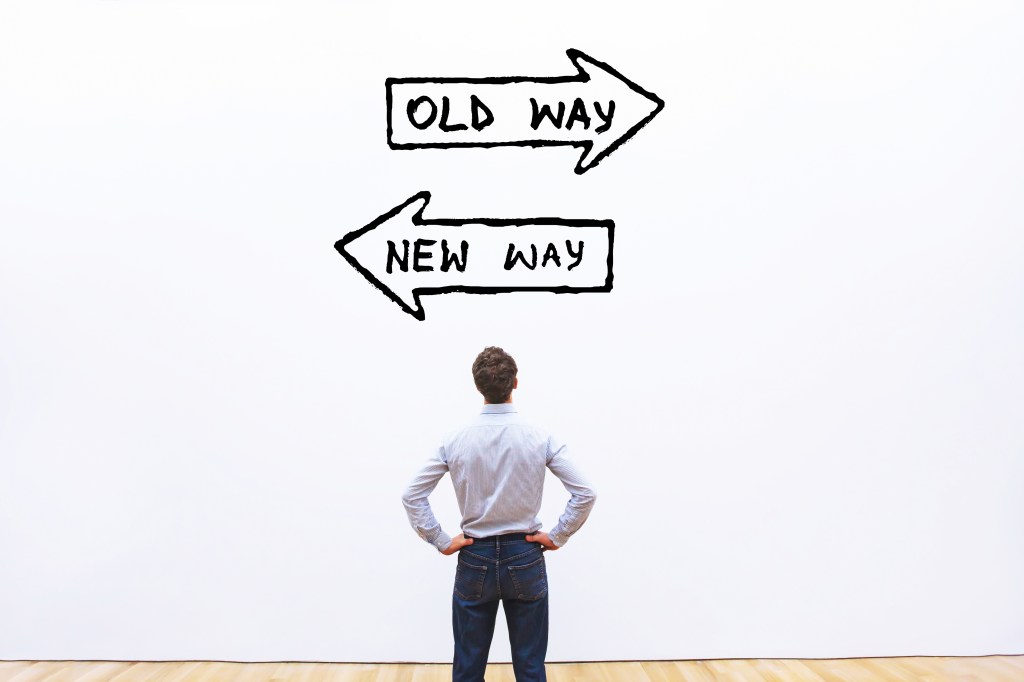
When public administrators take a critical look at work processes, they often uncover inefficiencies or blind spots that they hadn’t previously recognized. In some cases, outdated workflows persist simply because “that’s the way it has always been done.” Process improvement gives us permission and structure to challenge those assumptions and design systems that work better for everyone.
When approaching this work, it’s important to remember that processes exist for valid reasons. They were established in response to past challenges. Although the circumstances surrounding these processes may have changed, they were created with good intentions and some people genuinely care about their success. These individuals must be involved in any process improvement efforts.
Investing in staff through training, valuing insights from those on the front lines and fostering an environment that encourages innovation is crucial. The employees who perform the work daily are in the best position to identify areas for change and often have creative solutions for implementing them. Engaging them early in the process typically ensures that improvements are not only effective but also sustainable.
Public administrators must also commit to measuring the success or failure of the changes made. Success in process improvement is not a vague sense that things “feel better.” It’s the ability to demonstrate, with data, that services are more accessible, decisions are made faster and outcomes are more equitable. Measurement enables public administrators to learn, adapt and share progress with stakeholders both within and outside City Hall.
By embracing process improvement, local governments can more effectively fulfill their responsibilities as stewards of public trust and resources. This approach enables them to create efficient, equitable and adaptable systems. Additionally, it ensures that their services not only address the needs of today but also prepare for the challenges of tomorrow.







 ASPA Greater Cincinnati