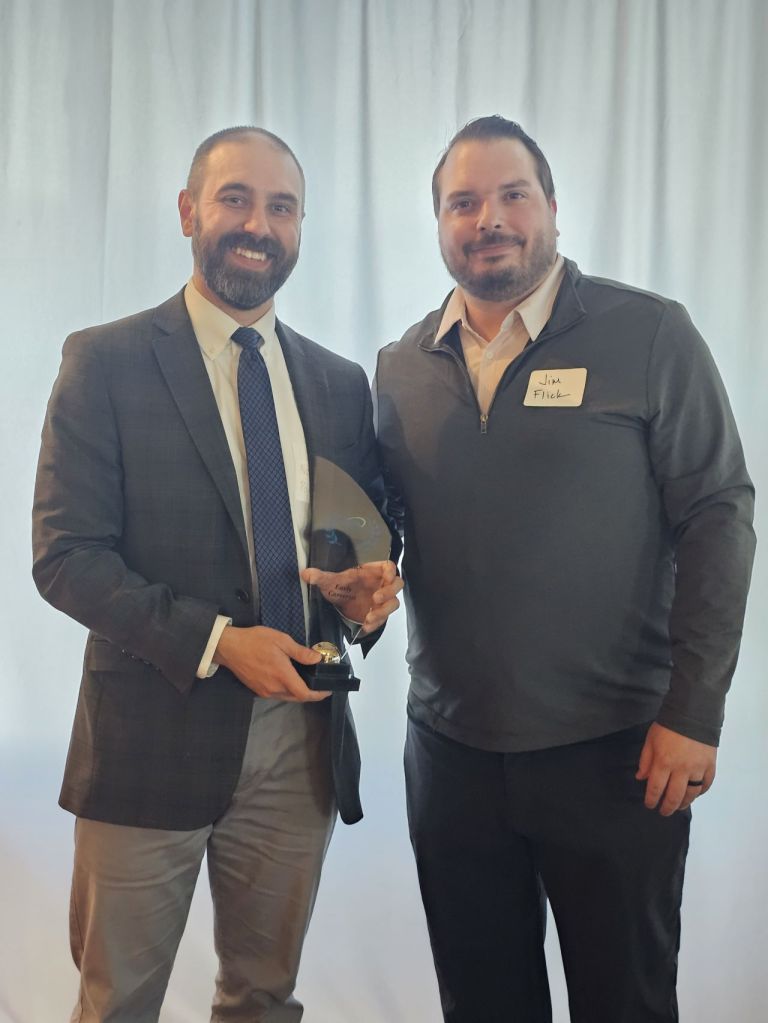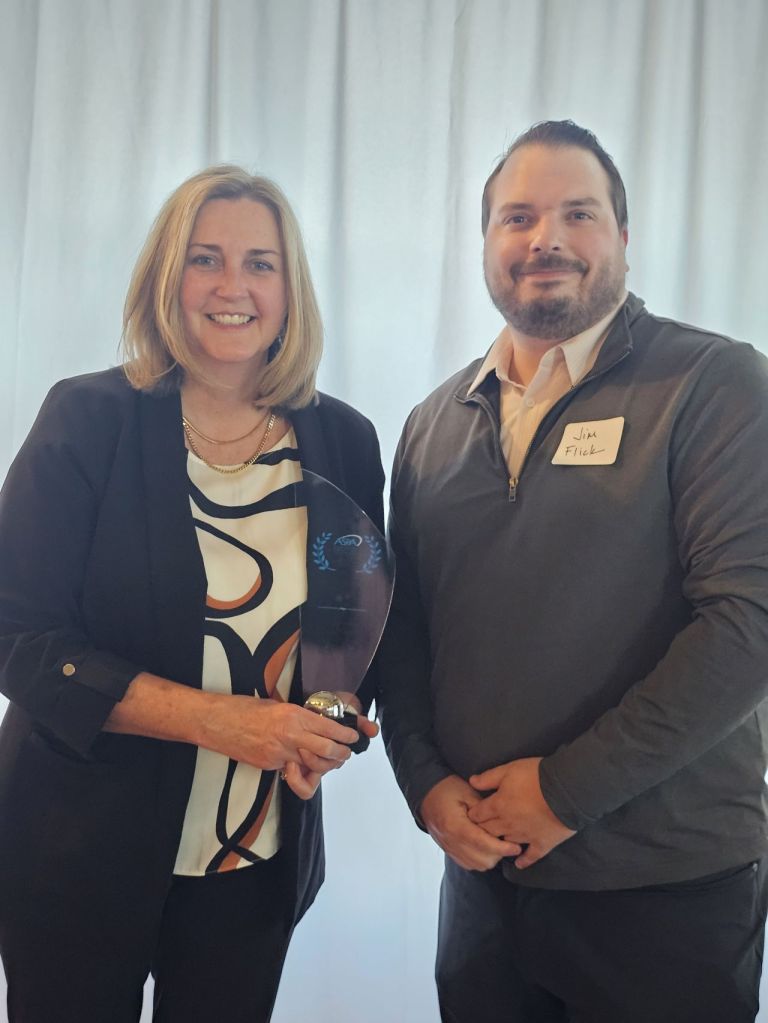
We would like to take a moment to welcome the newest members of the ASPA GCC Board – Bradley Dickerson and Taylor Froelicher!
Bradley and Taylor have joined the board after previous board members, Elishia Chamberlain, Kerri Castlen, and Evelyn Sears transitioned to Board Member Emeritus roles after many years of dedicated service to the Greater Cincinnati Chapter of ASPA, where their commitment, leadership, and expertise were instrumental in reinvigorating the chapter itself and helping to bring back the Outstanding Public Service Awards.
Please join us in thanking Elishia, Kerri, and Evelyn, and in welcoming Bradley and Taylor!
Bradley serves as the Associate Director of Undergraduate Admissions at the University of Cincinnati. A proud Northern Kentucky University (NKU) alumnus, he earned both his bachelor’s in criminal justice and master’s degrees in public administration from NKU and is currently pursuing a doctorate in educational leadership. Bradley has been working in the public sector since 2012; Bradley previously worked for the KY Department of Juvenile Justice as well as the Kentucky Cabinet for Health and Family Services.
Bradley’s connection to NKU runs deep . He is a former staff member in both University Housing and the Office of Admissions and helped establish NKU’s Black Alumni Council as a founding member. Bradley is also a member of the NKU Alumni Board of Directors. Outside of his professional and academic commitments, Bradley enjoys music and values spending quality time with close friends and family.
With over 10 years of experience in the private sector and a Master’s in Public Administration from Northern Kentucky University (NKU), Taylor is passionate about bringing efficiency and excellence to the public sector. She has a background in financial management, leadership, and general administration in the private sector. In 2015, Taylor graduated with a dual Bachelor of Arts in history and writing from NKU, and in 2019, she graduated with her Master’s in Public Administration with a focus in Homeland Security. Currently, Taylor is the Senior Public Administration Specialist at the Northern Kentucky Area Development District, where she assists local governments with projects including grant management, human resources support, organizational staffing, and ethics compliance. In her free time, Taylor loves going hiking with her dog, paddleboarding and kayaking, and traveling to new places!
This article was originally published in the PA Times on October 25th.
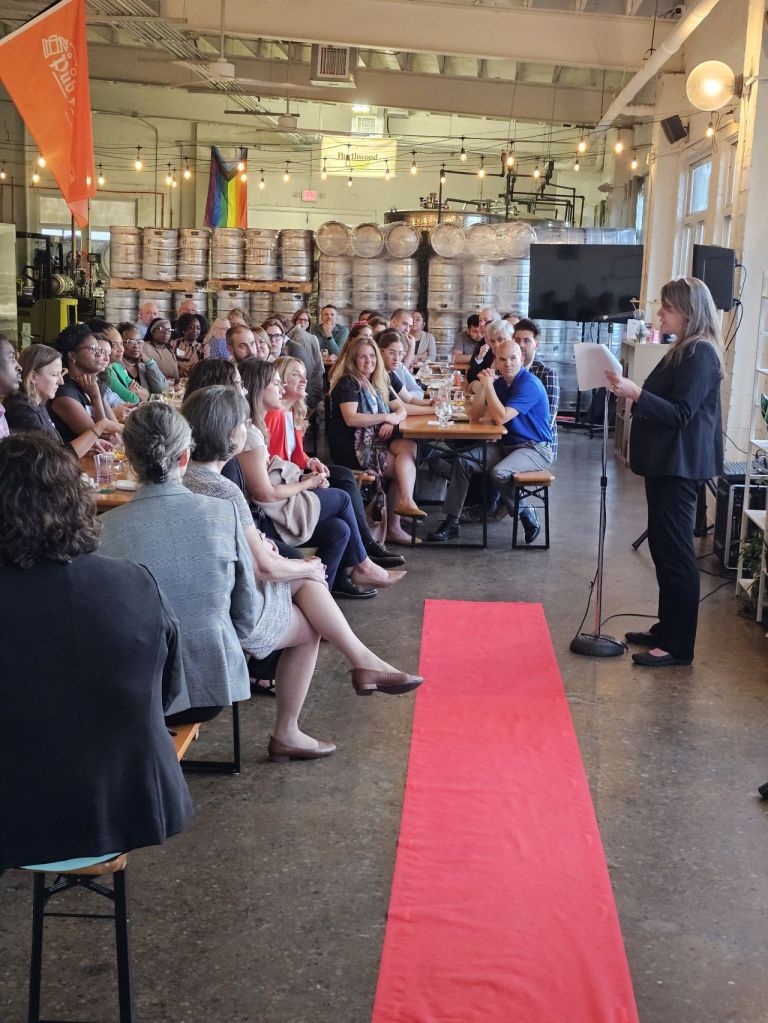
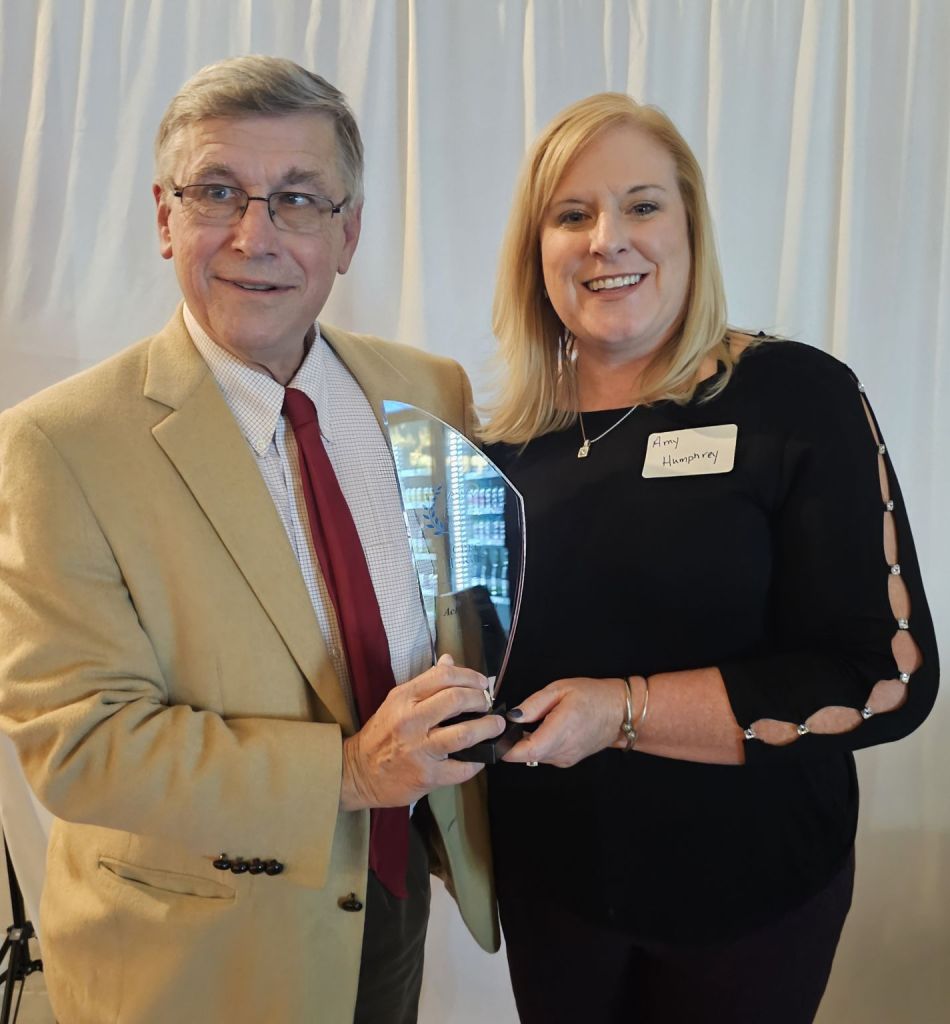
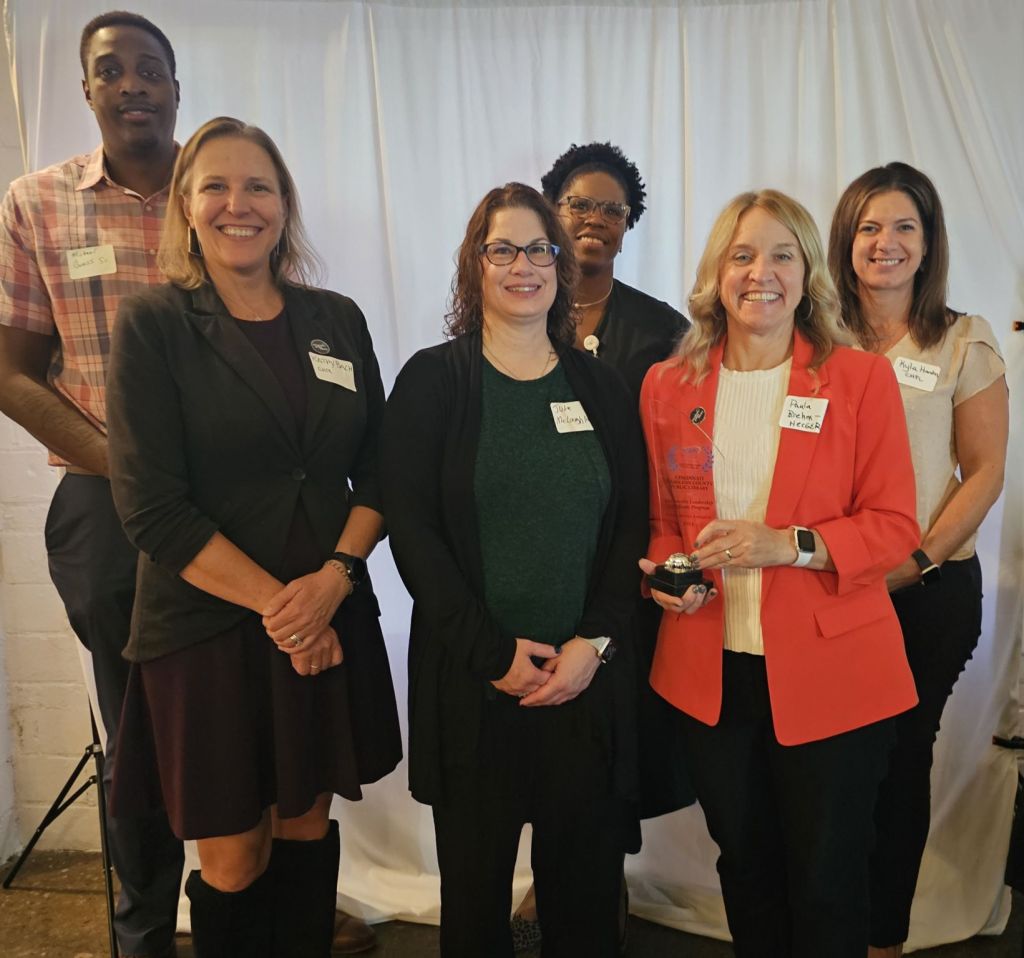
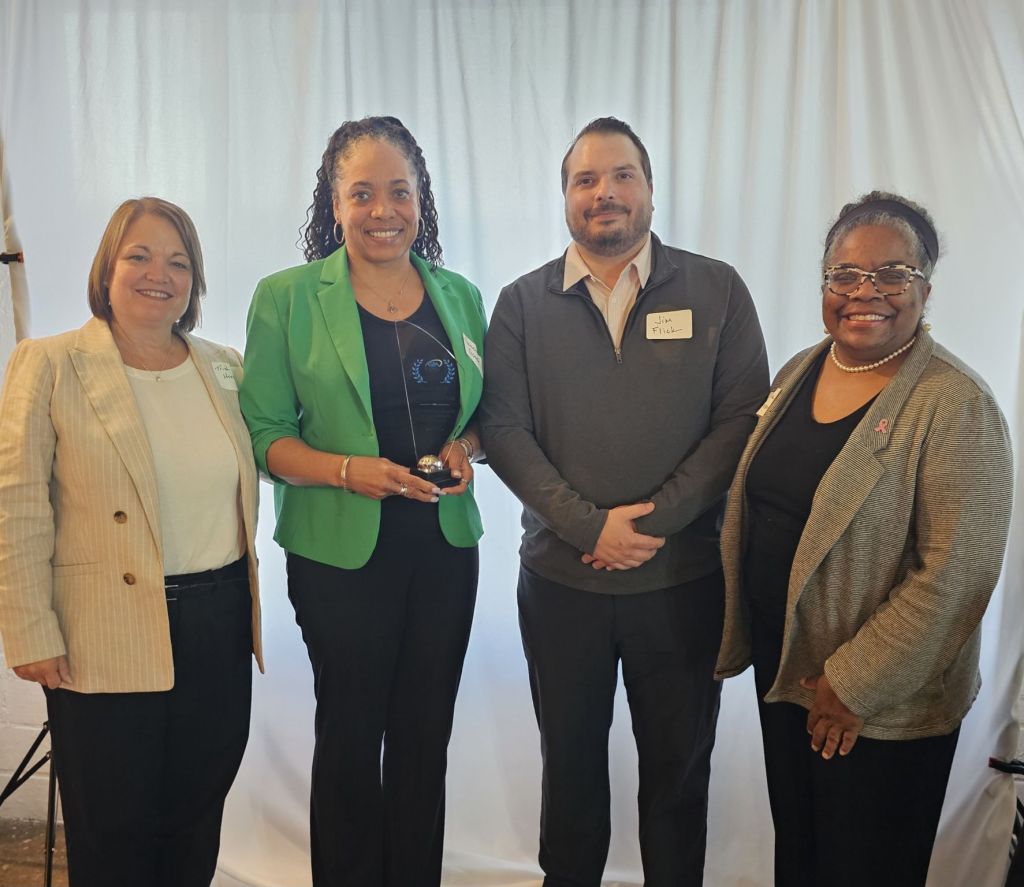
The Greater Cincinnati Chapter of the American Society for Public Administration (ASPA-GCC) recently celebrated its annual Outstanding Public Service Awards. This event recognizes individuals and initiatives across seven categories honoring those who embody the spirit of service, innovation, and leadership that drives the Greater Cincinnati region forward.
This year’s honorees have demonstrated exceptional leadership, compassion, and commitment, creating lasting positive impacts in their communities. They are:
Career Achievement Honorees
Dr. Shamima Ahmed, Northern Kentucky University: Dr. Ahmed’s 35-year career, including 30 years in NKU’s Master of Public Administration (MPA) program, has profoundly shaped the region’s public service workforce. She has educated over 1,000 students who now hold leadership roles across local governments. Beyond teaching and influential research, she has shared her expertise globally through the Fulbright Program in Myanmar and Tajikistan, leaving a deep legacy in advancing public service professionalism both locally and internationally.
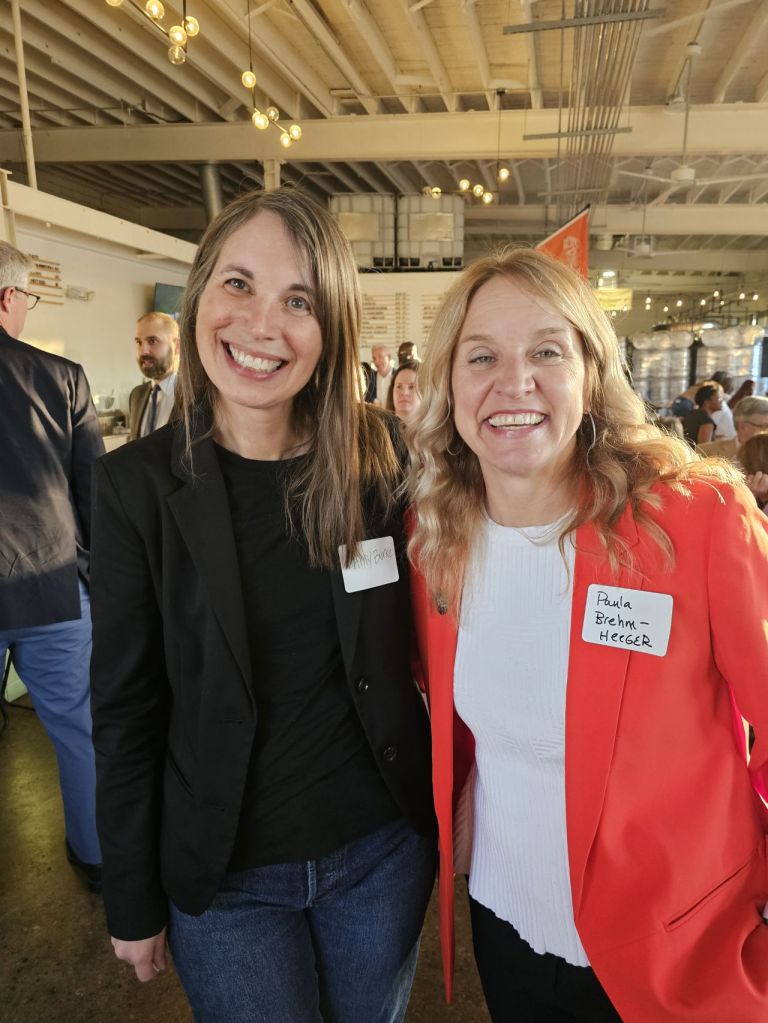
Paula Brehm-Heeger, Public Library of Cincinnati and Hamilton County: Serving in a variety of leadership roles at PLCH for 22 years, Paula has had positive, significant, and long-lasting impacts on cities, villages, neighborhoods, and communities in the region. As Executive Director since 2018, she manages a $90+ million budget and 800+ employees serving 800,000 customers across 40 locations. One of her most notable achievements is the development and implementation of the library’s $190 million facilities master plan.
Individual Contributor/Mid-Careerist Honorees
Edwin King, City of Fort Mitchell: As City Administrator, Edwin has led transformational projects, including the complex launch of a $200 million mixed-use development on a long-vacant hotel site, utilizing intricate financing and incentive packages to make the project feasible. Under his guidance, Fort Mitchell was named “City Government of the Year” by the Kentucky League of Cities in 2023.
Kim Serra, Campbell County Fiscal Court: As Assistant County Administrator, Kim is central to Campbell County’s operations, supervising critical departments and coordinating community programs including the Citizens’ Academy to enhance government transparency. Over her 26-year career in county and regional management, she has consistently served as a vital bridge between local government and its residents, demonstrating a commitment to fairness and innovative problem-solving.
Young Professional/Early Careerist Honorees
Carrie Harms, Cincinnati Recycling and Reuse Hub: Carrie has been foundational to the Hub since its 2021 inception. Starting as the warehouse manager, she brought structure, efficiency, and unwavering dedication, helping to grow the Hub to 15 employees. In 2025, the Hub is on track for a remarkable 66% increase in collected material compared to 2024, nearly 700,000 pounds.
Emily North, The Christ Hospital Health Network: As Marketing and Internal Communications Manager, Emily leads communications for over 6,500 employees and champions women’s health through outreach for one of the nation’s few dedicated Women’s Heart Centers. An active community advocate, Emily has also raised over $100,000 for the American Heart Association and serves on the board of Healthy Moms & Babes.
Support Services Honorees
Rob Shepherd, Colerain Township: Serving as the sole IT function employee for a township of 300+ employees and 60,000 residents, Rob’s expertise has been critical in protecting Colerain from cyber threats. He proactively established advanced cybersecurity training and protocols years ahead of state requirements.
Nancy Spears, Colerain Township Police Department: For 38 years, Nancy has ensured that daily operations from payroll to record-keeping run smoothly. Her constant, calm, and reassuring presence has anchored the department across generations of officers and chiefs, embodying the quiet professionalism essential for effective law enforcement.
Public Service Student Honorees
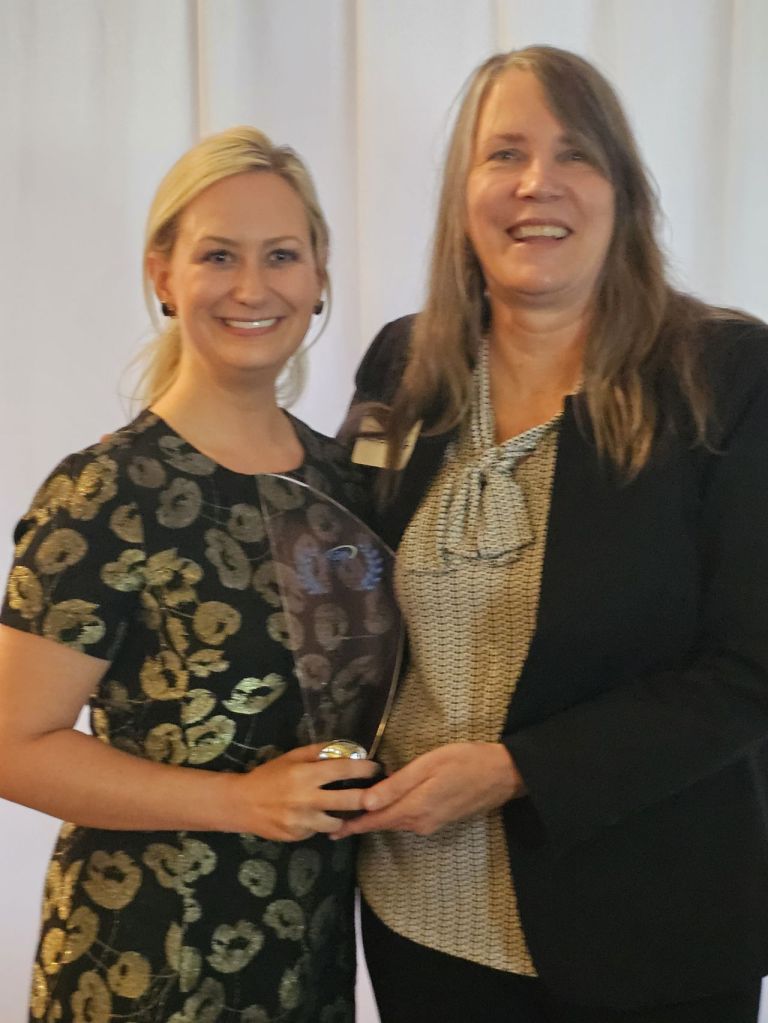
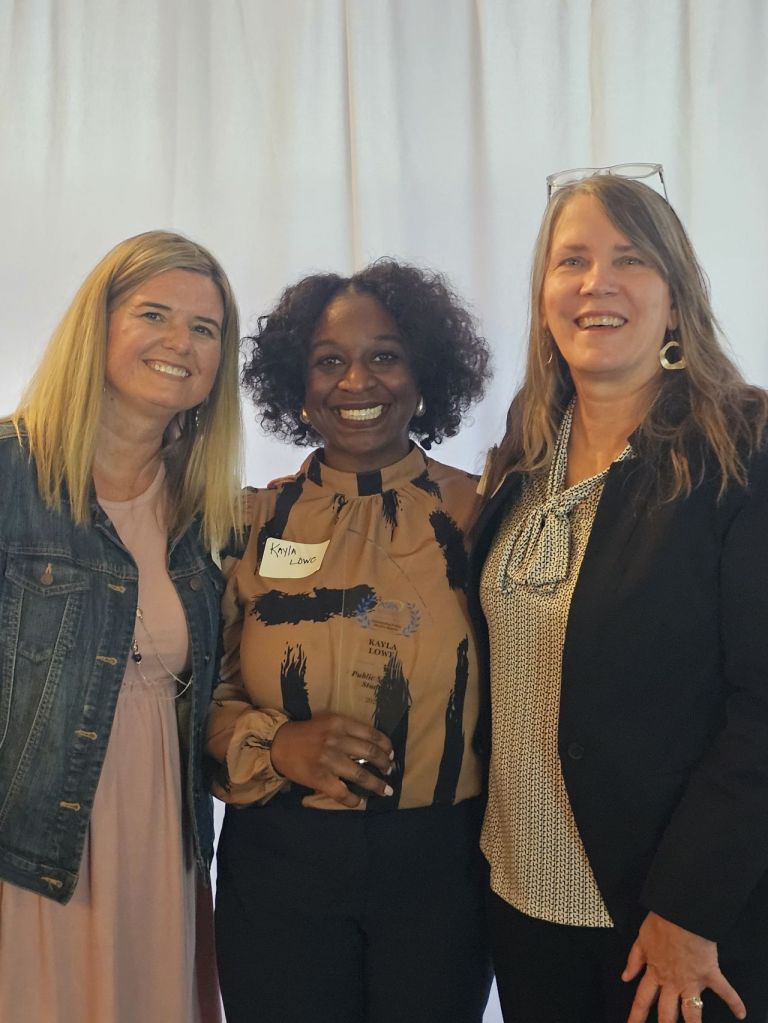
Lucy Burns, Northern Kentucky University: As an MPA student, Lucy is gaining practical experience through coursework and internships, notably contributing to key initiatives within the City of Covington, including the Mayor’s Academy, the Mayor’s Roundtable, and the City Manager’s Summit. Her leadership at NKU includes serving as Vice President and President of the Student Government Association and contributing to faculty research as the MPA Graduate Assistant.
Porcha Hope, Northern Kentucky University: While excelling in her MPA program, Porcha works as a dedicated Case Manager at Bethany House. As a mother of three, her personal commitment to earning her degree before her son starts college highlights the dedication and sacrifice essential to providing compassionate service to people and communities.
Public Service Innovation Honoree
Northern Kentucky Entrepreneur Fund (NKEF): NKEF has pioneered a revolutionary public-private model for economic development. It has distributed over $500,000 in non-dilutive grants to 42 Northern Kentucky companies. Critically, NKEF introduced the groundbreaking DonateEquity model, relying on equity pledges from supported startups to create sustainable long-term funding mechanisms for future generations of entrepreneurs.
Public Service Initiative Honorees
Appointed Civic Leadership Academy (ACLA): ACLA prepares and empowers individuals regardless of gender, race, or background to serve on civic boards and commissions. Since its launch in 2023, the free program has trained 2,000 people, resulting in 200 appointments to local government bodies.
Colerain Township Fire and EMS, Community Paramedic Fall Reduction Program: This initiative addresses fall risks among vulnerable seniors and underserved residents. Funded by AARP, the program includes hands-on intervention and home safety enhancements including the installation of over 120 grab bars.
The American Society for Public Administration’s Greater Cincinnati Chapter (ASPA-GCC) is currently accepting nominations for the 2025 Outstanding Public Service Awards at: http://bit.ly/45AoQgC. Nominations will be accepted through Friday, August 29th at 11:59 p.m. An awards celebration will be held on the evening of Tuesday, September 30th at Northwood Cider Co. (More information can be found at https://aspagcc.com/awards/.)
Please consider submitting one or more nominations for public-service professionals and/or initiatives in our region that deserve to be recognized. There are seven categories of awards:
Career Achievement
Individual Contributor/Mid-Careerist
Young Professional/Early Careerist
Support Services
Student
Public Service Initiative
Public Service Innovation.
More than one nominee may be selected for an award in each category; that is, there is not a limit of one award per category.
Also, please consider following ASPA-GCC on its social media platforms for direct updates on the Outstanding Public Service Awards and other activities.
In local government, there’s often discussion about doing more with less, building trust with the community and delivering services that are not only effective but also equitable. While these goals are familiar to anyone in public service, the path to achieving them can feel elusive, especially in times of constrained budgets, evolving expectations and increasing complexity. That’s where process improvement can help.
Processes evolve for specific reasons. They are usually created to address particular problems. However, as technology advances and priorities shift, the problems may also change. Process improvement offers a structured and focused approach to assess whether the current process is effective in today’s environment.
The COVID-19 pandemic underscored just how quickly and dramatically local governments can pivot when the stakes are high. Virtually overnight, local governments across the nation reimagined how services could be delivered from virtual inspections to online public meetings and more. In doing so, local governments demonstrated that meaningful change is possible even in environments that are traditionally cautious about risk. That experience also shifted how many leaders think about change. It was a reminder that flexibility, creativity and responsiveness are not luxuries in government; they are necessities.
However, process improvement is not something to dust off during a crisis or launch only when resources allow. It is a discipline that should be consistently applied because it helps organizations remain efficient, resilient and responsive to change. Since the mission of local governments is to serve the public, it is crucial for public administrators to continually assess whether work processes align with the needs of the communities they serve and whether those processes yield meaningful results.
The benefits of this work are both immediate and long-lasting. By identifying bottlenecks, eliminating redundancies and clarifying roles, public administrators can reduce frustration for both staff and community members. It also positions local governments to make better use of existing resources, whether it’s staff time, technology tools or public funds. Finally, it helps ensure that every resident, regardless of their background or neighborhood, can engage with the local government in a manner that’s clear, fair and effective.
In this moment, the need for process improvement is especially pressing. The landscape of public service is undergoing rapid change. Local governments are being asked to achieve quicker turnaround times, respond to more complex community needs and implement new technologies, often all at once. Additionally, funding sources for critical services and programs are being reduced or eliminated, forcing governments to reassess service levels and explore new ways to sustain these programs. Meeting these demands requires public administrators to think differently, be open to ideas that may have once seemed too ambitious and be more agile in testing and refining new approaches.
When public administrators take a critical look at work processes, they often uncover inefficiencies or blind spots that they hadn’t previously recognized. In some cases, outdated workflows persist simply because “that’s the way it has always been done.” Process improvement gives us permission and structure to challenge those assumptions and design systems that work better for everyone.
When approaching this work, it’s important to remember that processes exist for valid reasons. They were established in response to past challenges. Although the circumstances surrounding these processes may have changed, they were created with good intentions and some people genuinely care about their success. These individuals must be involved in any process improvement efforts.
Investing in staff through training, valuing insights from those on the front lines and fostering an environment that encourages innovation is crucial. The employees who perform the work daily are in the best position to identify areas for change and often have creative solutions for implementing them. Engaging them early in the process typically ensures that improvements are not only effective but also sustainable.
Public administrators must also commit to measuring the success or failure of the changes made. Success in process improvement is not a vague sense that things “feel better.” It’s the ability to demonstrate, with data, that services are more accessible, decisions are made faster and outcomes are more equitable. Measurement enables public administrators to learn, adapt and share progress with stakeholders both within and outside City Hall.
By embracing process improvement, local governments can more effectively fulfill their responsibilities as stewards of public trust and resources. This approach enables them to create efficient, equitable and adaptable systems. Additionally, it ensures that their services not only address the needs of today but also prepare for the challenges of tomorrow.
As a former economic development director and current local government consultant, I have been involved with affordable housing development throughout my career, whether working directly with developers to move projects forward or with local municipalities to streamline and expedite the approval process. In my experience, it is clear that affordable housing development is essential for community well-being, economic vitality and equitable growth.
According to the U.S. Department of Housing and Urban Development, affordable housing is housing that the occupant pays, at most, 30 percent of gross income for, including utilities. However, numerous studies have shown that housing costs are rising faster than wages, increasing pressure on local governments to promote affordable housing development. Some jurisdictions are more equipped to do so than others. Still, no matter their tools, each local government should have the same goal: to prioritize affordable housing development as a strategic investment in a community’s long-term resilience.
Why Affordable Housing Matters
Stable and affordable housing can lead to better health outcomes, higher educational attainment and improved economic mobility for families. Affordable housing can also help reduce unhoused populations, support workforce stability, alleviate pressure on emergency and health services and foster diverse, inclusive neighborhoods.
Additionally, supporting affordable housing is a matter of equity. Real estate prices in communities around the country are skyrocketing, increasingly pricing out low and moderate-income residents, many of whom have deep ties to their neighborhoods, as their families have been there for generations. When these residents are forced to move away, the impacts are felt throughout the community.
What Local Governments Can Do
No universal solution exists to increasing affordable housing development. However, local governments have several options for promoting and supporting it. The most successful approaches integrate policy, finance, planning and community engagement in a coordinated effort across various departments. Here are five key strategies:
1) Using resources strategically to fill funding gaps
Local governments can use property tax incentives, sales tax incentives, infrastructure support, and leverage publicly owned land to help lower affordable housing development costs. These local funds are often crucial for attracting additional state, federal and philanthropic funding that can further fill critical funding gaps for developers.
2) Integrating Housing Goals into Core Policy Frameworks
Affordable housing must be integrated into comprehensive plans, strategic goals and land use policies. Local government officials can facilitate this integration by:
Removing regulatory barriers
Streamlining development review and permitting processes
Adopting zoning codes that promote higher-density or mixed-income development
Permitting accessory dwelling units (ADUs)
Allowing for the adaptive reuse of underutilized buildings
Regardless of the strategies pursued, local government leaders can adapt and refine them by establishing trackable performance metrics, monitoring long-term affordability and assessing the community impact. These insights enhance accountability and facilitate communication of impact to elected officials, stakeholders and the public. Effective data collection and reporting can also position jurisdictions for future funding opportunities.
3) Championing Public-Private Partnerships
Effective partnerships with nonprofits, housing authorities, private developers and community groups can enhance local capabilities. Local governments can serve as conveners, coordinators and facilitators by providing land, coordinating infrastructure improvements, issuing letters of support for outside funding and assisting community partners in navigating the permitting and compliance processes.
4) Facilitating Community Engagement and Education
Local governments should prioritize transparency and ongoing engagement with the community around affordable housing development. This engagement can include forums to listen to concerns, clarify facts about what affordable housing means and what it does not, and build community trust. This proactive outreach can help reduce resistance and promote a shared sense of ownership in the community’s growth.
5) Inclusionary Housing Ordinance
Local governments can directly integrate affordable housing units into market-rate development by implementing an inclusionary housing ordinance. Such an ordinance requires or incentivizes market-rate developers to set aside a percentage of housing units to be sold or rented below market rates. In some cases, the developers can opt out of these requirements by making an in-lieu payment into a local affordable housing trust fund that can be utilized to support other developments in the community.
Leading Through Collaboration
While local governments have varying capacities to address the affordable housing crisis, they are uniquely positioned to lead collaborative solutions. Staff in planning, economic development, housing, finance and municipal management are crucial in bridging policy intentions with real-world implementation.
By prioritizing affordable housing, local governments demonstrate both compassion and competence. They create conditions that foster economic growth, enhance community stability and offer generational opportunities. Additionally, they reinforce public trust by demonstrating that the government can respond decisively and inclusively to pressing needs.
Ultimately, supporting affordable housing development is not a luxury but a necessity. It represents a defining opportunity for public administrators to lead systemic change that delivers tangible and lasting benefits to their communities.
Back in September, I wrote a column titled “Ensuring Effective Internal Communication in Local Government,” which highlighted several reasons why internal communication is vital for effective service delivery in local governments. Now, let’s explore the equally critical subject of external or public communication.
Local governments play a crucial role in shaping the lives of their communities. How they communicate—both in crisis and during routine operations—can significantly impact public trust, engagement, and decision-making. This was never more evident than during the COVID-19 pandemic when clear, timely, and accessible communication became a lifeline for communities. As a Public Information Officer during that time, I witnessed firsthand how communication could either build bridges or widen gaps between governments and the people they serve.
The pandemic forced everyone, including governments, to rethink how we communicate—both personally and professionally. Digital platforms became indispensable as social media, websites and virtual meetings emerged as the primary tools for sharing critical updates. This rapid shift demonstrated the importance of governments communicating frequently, transparently and in accessible ways—not just during emergencies but as a standard practice for routine service delivery as well.
Understanding the Audience
Effective communication starts with understanding the audience. Local governments must identify the various audience groups within a community. Each group has different priorities, needs and expectations that require tailored approaches. Failing to understand the audience can result in messages that are ignored, misunderstood or even counterproductive.
Surveys, demographic data, and community feedback can be invaluable tools for creating detailed audience profiles. These profiles inform how, when, and where information should be shared. Tailoring communication strategies to meet these diverse preferences ensures that messages reach their intended audiences effectively.
Understanding the audience also involves ensuring cultural and language inclusivity. Translating materials into multiple languages based on community demographics is critical to reaching non-English-speaking populations. Moreover, using culturally sensitive messaging fosters inclusivity and trust. Accessibility considerations are equally important: providing information in formats suitable for residents with disabilities—such as audio updates for the visually impaired or simplified language for those with limited literacy—is essential for equitable communication.
By regularly assessing community needs and preferences, governments can refine their messaging to ensure it remains inclusive, accessible and impactful. This proactive approach builds trust and strengthens the relationship between local governments and their communities.
Leveraging Multiple Channels
To truly serve their citizens, local governments must embrace a multi-channel approach, leveraging traditional and digital communication platforms to reach diverse audiences.
Traditional methods like press releases, public meetings, bulletin boards and email newsletters remain valuable for certain population segments. At the same time, digital tools, especially social media, have proven to be powerful for rapid and broad outreach.
Websites are perhaps the most critical tool in a local government’s communication arsenal. They serve as the digital face of the organization and must be regularly updated, easy to navigate and accessible. A well-organized website should include key information about services, public meetings, local regulations and online services such as permit applications or tax payments. Citizens should be able to find what they need quickly and without navigating through an overwhelming maze of subpages or dense technical documents.
For maximum reach and effectiveness, local governments should invest in user-friendly technologies and analytics tools to track and improve their online engagement. By combining traditional and digital communication methods, governments can ensure that no segment of their community is left out.
Building Trust Through Consistency
Trust is the foundation of any successful relationship, and communication is no exception. Consistency is a key driver of public trust. Regular updates, even during times when there are no major developments, demonstrate commitment and reliability. When challenges or crises arise, governments must address public concerns honestly and promptly, acknowledging mistakes and outlining corrective actions. This transparency fosters credibility and strengthens the public’s confidence in their local government.
Consistency also involves maintaining a unified voice and tone across all communication channels. This ensures that messages are not only clear but also recognizable as coming from a trusted and authoritative source. Training communication teams to adhere to these standards is crucial for maintaining coherence and professionalism in external communication.
Measuring and Adapting
Communication strategies should never remain static. They must evolve based on feedback, results, and changing community dynamics. Analytics from social media, websites and surveys provide valuable insights into what works and what doesn’t. These data-driven approaches allow governments to refine their efforts and better meet the needs of their communities.
For example, if social media analytics reveal that posts with visuals receive higher engagement, governments can incorporate more infographics, videos and images into their messaging. Regularly reviewing and adapting communication strategies ensures local governments remain responsive and effective in their outreach efforts.
Fostering an Informed and Cohesive Community
Ensuring effective external communication in local government is no small task. Local governments can strengthen their relationship with the community and enhance public trust by understanding the audience, leveraging multiple channels, building trust through consistency and fostering inclusivity. In doing so, they create a foundation for more engaged, informed and cohesive communities.
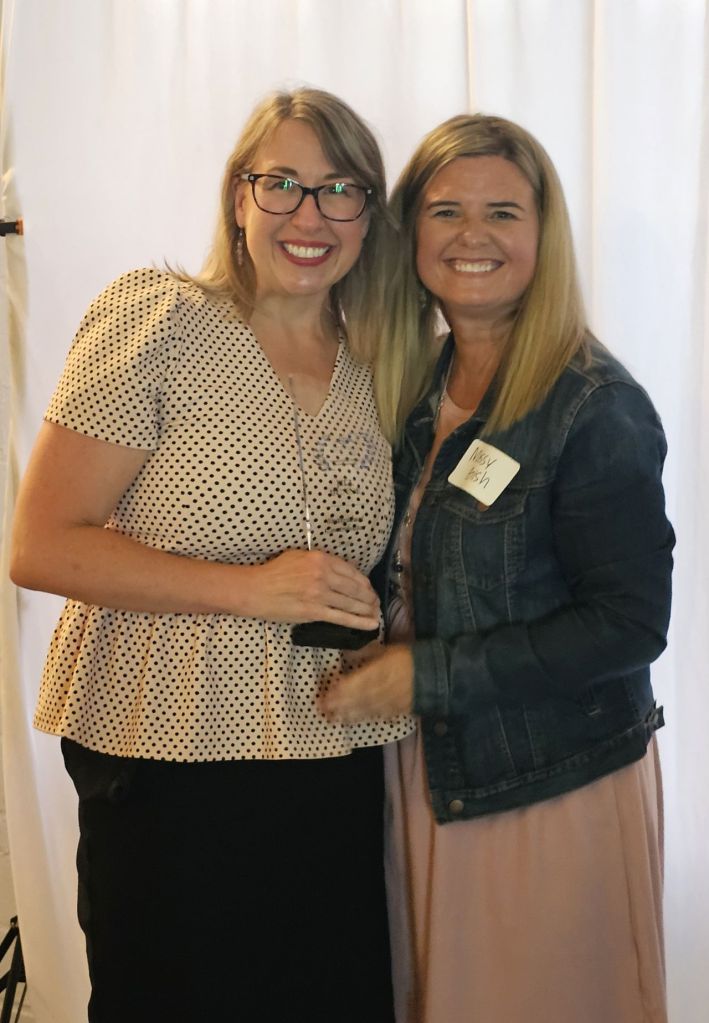
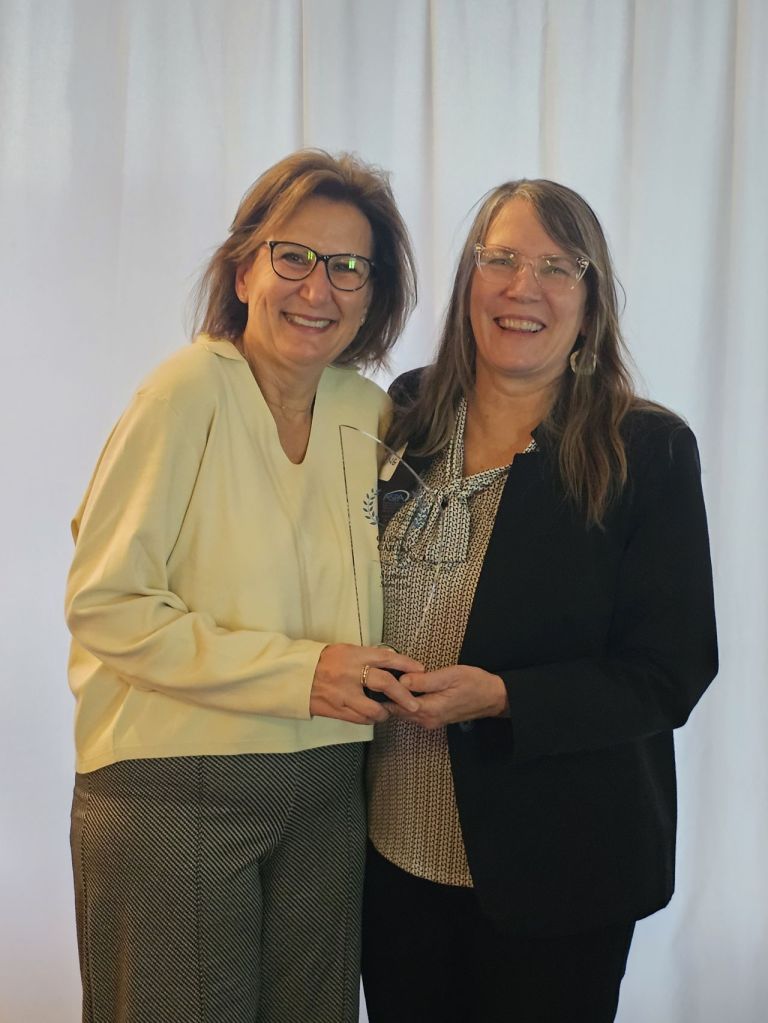
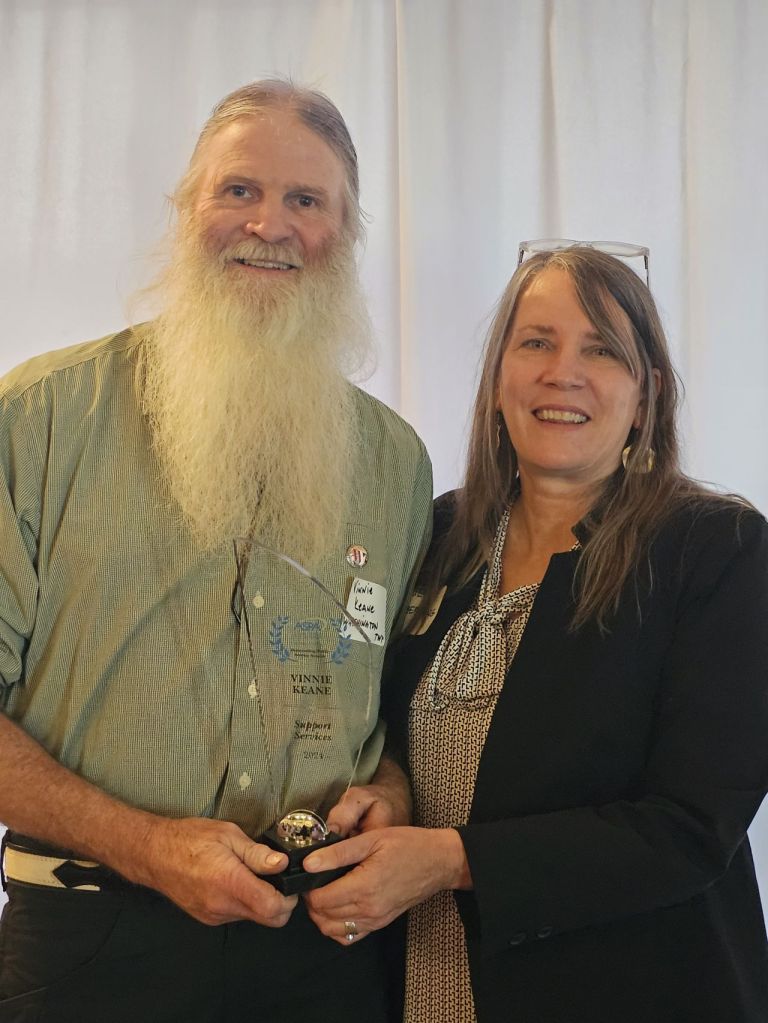
This week, we hosted our 2024 Outstanding Public Service Awards at the Northwood Cider Co. in Norwood, Ohio. The Awards honor outstanding individuals for their work in the field of public administration across six categories, including:
Career Achievement
Individual Contributor/Mid-Careerist
Young Professional/Early Careerist
Support Services
Student
Public Service Initiative
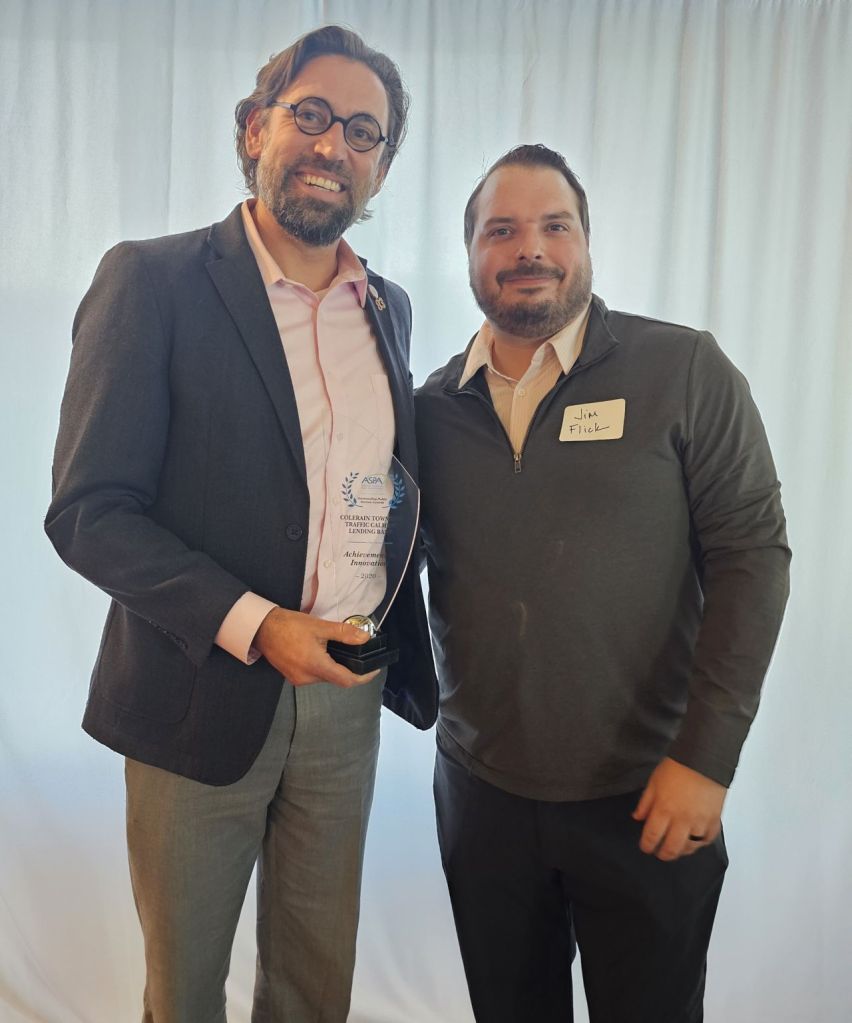
This event was especially significant because, in addition to honoring our 2024 award recipients, we were also able to honor the 2020 recipients, whom we unfortunately could not celebrate in person due to the COVID-19 pandemic.
A huge thank you to everyone who attended the event! It was an exciting and fun night to celebrate and network with some of the best public servants throughout the Greater Cincinnati region. Additionally, a special thanks to the ASPA-GCC board members, volunteers, and sponsors who helped make the event such a success.
Below is a list of winners and some photos from the event.
2024 Award Winners
Greg Jarvis, Hamilton County (Career Achievement)
Mike Kramer, Hamilton County (Career Achievement)
Jill Dunne, Artworks (Individual Contributor)
Devon Stansbury, BE NKY Growth Partnership (Young Professional)
The American Society for Public Administration (ASPA) is pleased to present a webinar: “A Tale of Two Cities: Two Cities’ Application of Performance Management”, in partnership with its Center for Accountability and Performance.
This free online discussion will examine how two cities have employed performance management techniques. It will take place on Wednesday, October 9, at 1 p.m. EDT.
About the Webinar:
Many cities and municipalities have made the commitment to embark upon the journey toward accountability in the performance of their governance, management and public service responsibilities. The commitment and execution of these responsibilities have taken form in such areas as: budgeting, strategic planning and service delivery, as well as others. We see this activity in cities and towns of all sizes. The leadership that local officials and professional staff have displayed to make these efforts sustainable over time and across administrations is commendable.
This webinar will provide an expert look at the experiences, lessons and hope for sustained accountability and performance in two communities: Chattanooga, Tennessee and Dallas, Texas. In particular, we’ll explore the journeys of the Office of Open Data and Performance Management in Chattanooga and the office of Budget and Management Services in Dallas.
Presenters:
Daniel Dufour, Director, Open Data and Performance Management, City of Chattanooga
Toni Samuel, Moderator, Retired, National League of Cities and Board of Directors, Center for Accountability and Performance
Cecilia Scheu, Assistant Director, City of Dallas, Budget and Management Services
Internal communication is a topic that often comes up in my work with local governments nationwide. Why? Internal communication is the backbone of effective service delivery. Clear and effective communication enables collaboration and ensures staff work towards department or organizational goals. It also clarifies key policies, processes and responsibilities, empowering employees to perform their duties more efficiently.
The Importance of Being Well-Informed
Well-informed local government employees are better equipped to serve the public. Having reliable and useful information enables them to perform their duties more effectively and accurately. However, internal communication does more than streamline operations. It also can impact employee morale. Staff members who understand an organization’s mission and how their work contributes to it are often more engaged and motivated. Conversely, when communication breaks down, it leads to inefficiencies, delays and even mistakes.
One challenge that frequently arises is the tendency for individual departments to develop their own identities, isolating them from the rest of the organization. When this occurs, the flow of information between departments slows, causing ripple effects across the organization. This can result in fragmented or inefficient service delivery. Breaking down these silos requires deliberate efforts from leadership and staff alike.
The Role of Leadership in Communication
Fostering effective communication requires leadership. Local government leaders set the tone for open and inclusive communication and are responsible for creating a culture within their staff that encourages open dialogue. This culture cannot just be about sending emails and holding meetings. It should be about establishing a practice of proactive engagement. This can include everything from regular check-ins to creating opportunities for staff to voice their concerns and offer feedback.
One of the most effective ways to foster engagement is for leadership to engage with employees in their work environments. When leaders take the time to visit staff members where they are, whether in the field or their offices, it sends a powerful message: that every employee’s work matters and that their input is valued and appreciated. Face-to-face engagement can create opportunities for leaders to solicit real-time feedback, address concerns and incorporate front-line insights into decision-making.
Proactive Engagement Practices
Local government leaders can foster proactive communication and engagement in several practical ways. These include:
Process Improvement Teams: Form cross-departmental teams reviewing existing policies, procedures, and processes. These teams can recommend improvements, enhance communication channels and create opportunities for collaboration.
Regular Staff Meetings: Hold regular meetings that bring together all staff to introduce new ideas, provide updates and solicit feedback. These meetings create a unified voice within the organization and ensure employees are on the same page.
Lunch and Learns: These informal events can be used to share knowledge, train staff on new processes or discuss important topics. The relaxed setting fosters open dialogue and allows employees to ask questions and contribute to decision-making.
Staff Committees: Create committees composed of staff members from various departments to vet new ideas, discuss potential changes and make recommendations to leadership. This ensures that staff are actively involved in decision-making processes.
Open Office Hours: Encourage managers and department heads to hold regular office hours where staff can discuss issues, ask questions or offer suggestions. This provides a direct line of communication between leadership and employees.
Staff must also be made aware of how their feedback is being used. When employees provide input, managers and other leaders should close the communication loop by explaining how that input was considered and incorporated (or why it wasn’t feasible). This transparency fosters a collaborative environment where employees feel comfortable sharing their ideas and challenges.
Cross-Departmental Collaboration
Effective internal communication becomes even more critical in processes requiring multiple departments’ collaboration. For example, commercial and residential plan reviews often require input from planning, zoning, engineering, public works or other departments. Without clear communication between these groups, plans can get delayed, creating frustration for staff and the public.
To enhance cross-departmental communication, local governments can adopt practices such as:
Regular Cross-Departmental Meetings: Schedule regular meetings to discuss ongoing projects, challenges and opportunities. These meetings can help departments stay aligned and address potential roadblocks before they escalate.
Service Level Agreements (SLAs): Establish formal agreements between departments that outline communication and service delivery expectations. These agreements ensure everyone is on the same page and aware of their responsibilities.
Internal Newsletters or Bulletins: Develop a regular internal newsletter that updates department activities, upcoming projects and other important information. This will help keep everyone informed and reduce the likelihood of miscommunication.
Cross-Departmental Events: Host social or team-building events that bring together staff from different departments. These events can help break down silos and foster a greater sense of camaraderie.
By implementing these strategies, local governments can ensure effective internal communication that fosters collaboration, boosts morale and enhances overall service delivery. Effective communication isn’t just about sending messages—it’s about creating a culture where dialogue is encouraged, feedback is valued and everyone is working towards a common goal.
We are currently accepting nominations for our 2024 Outstanding Public Service Awards, which honor outstanding individuals for their work in public administration. Nominations will be accepted until Monday, September 9th, at 11:59 PM.